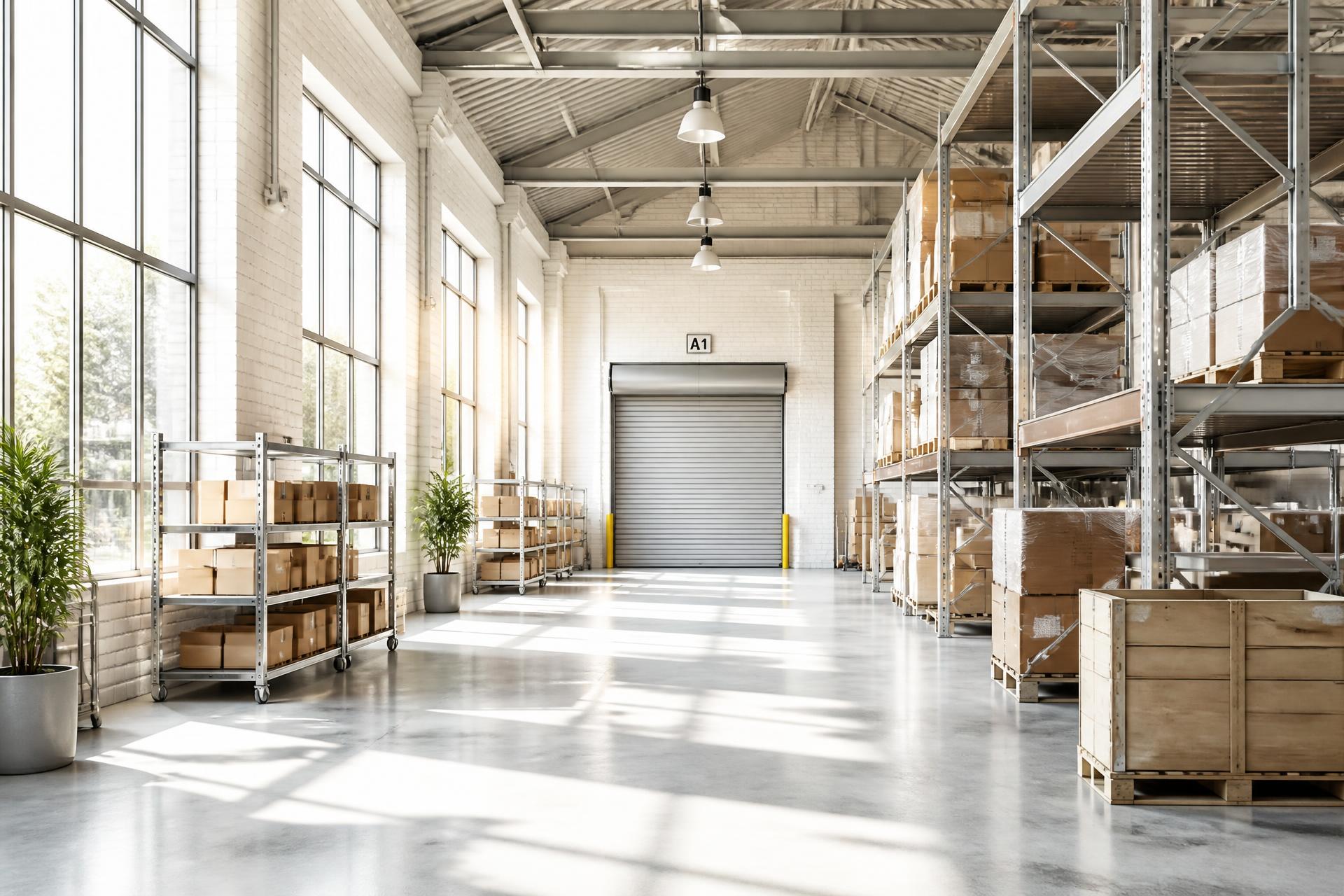

A specialist practice forcommercial rat and rodent control.
Rats and mice only. Mechanical-first control and documented inspections for Sydney commercial premises.
- 01Investigate
- 02Understand
- 03Control
- 04Record
- 05Prevent
- 06Review
Ratman is built around commercial premises — the venues where rodents are a food safety, audit and reputation issue, not just a nuisance. Rodent problems in commercial venues follow patterns — deliveries, waste, drainage and shared voids create pressure a generic pest control round rarely resolves.
Discreet Service
Every Ratman visit is made in an unmarked vehicle.
No Ratman branding. No pest control signage. We understand that protecting your reputation is just as important as protecting your premises.
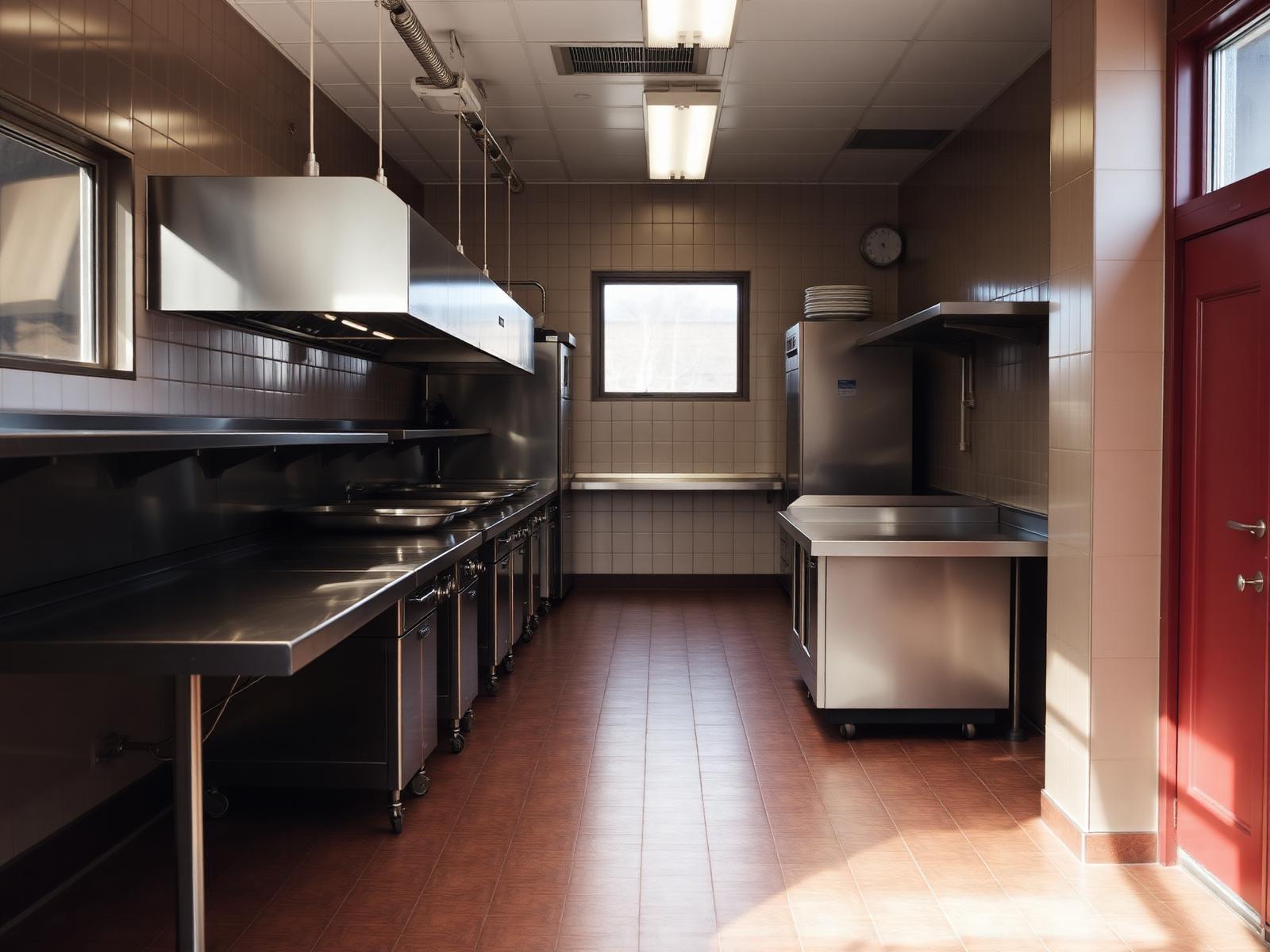
One discipline. Done properly.
One trade — commercial rodent management — practised as a full discipline.
- Commercial only
- We work with businesses — never domestic homes.
- Rodents only
- Rats and mice. Not general pest control.
- Evidence-based
- Findings drive the response, not guesswork.
- Mechanical-first
- Traps and proofing, not rodenticide spraying.
- Documented
- Written records of what we find and do.
What makes it commercial-grade
- Mechanical-first control — snap traps and multi-catch stations placed on evidence, not bait scattered on hope.
- Documented monitoring — logs that suit food safety audits and internal QA.
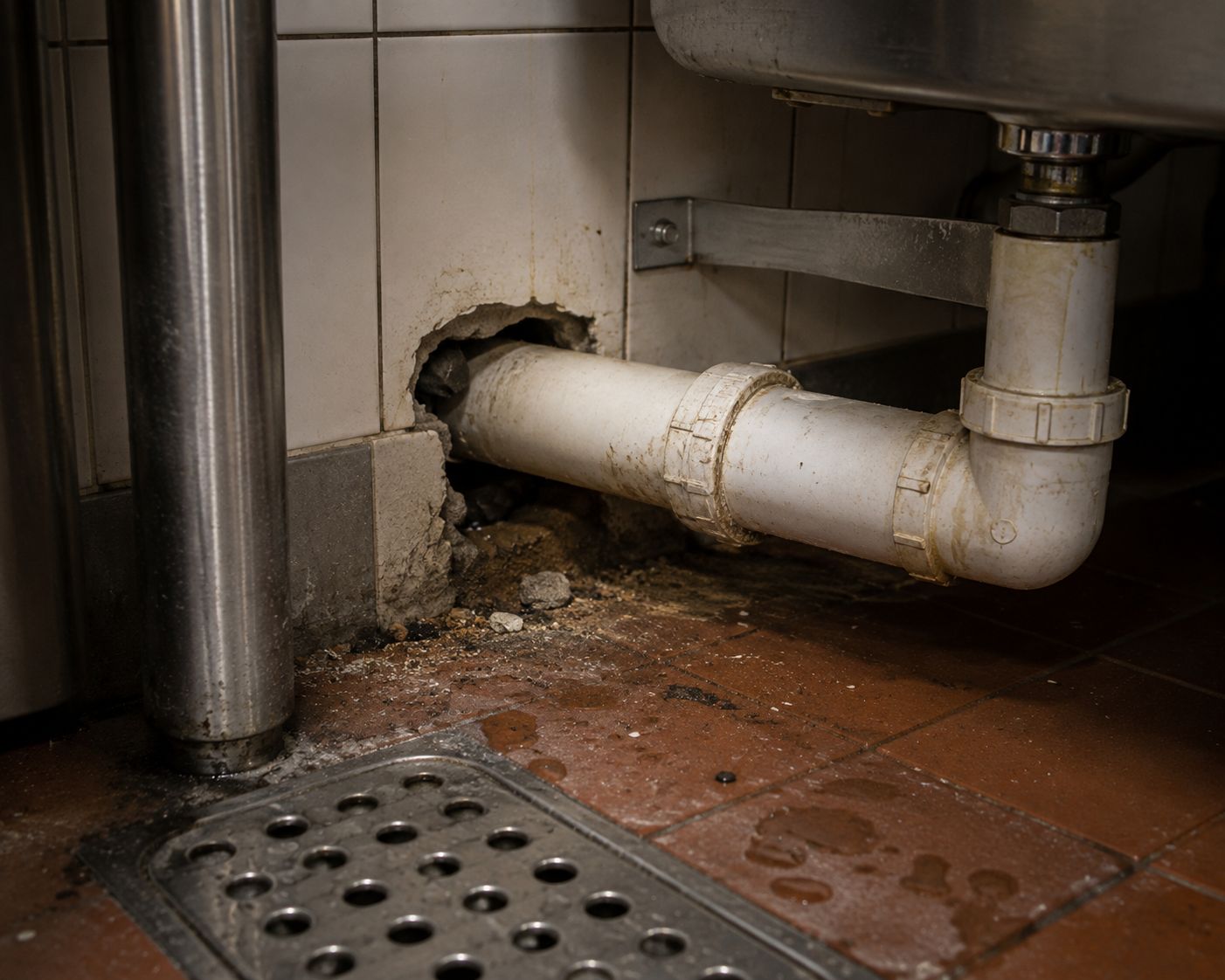
- Proofing built in — every program identifies and closes the entry points behind the problem.
- Discreet attendance — visits scheduled around service, deliveries and trading hours, made in unmarked vehicles with no Ratman branding or pest control signage.
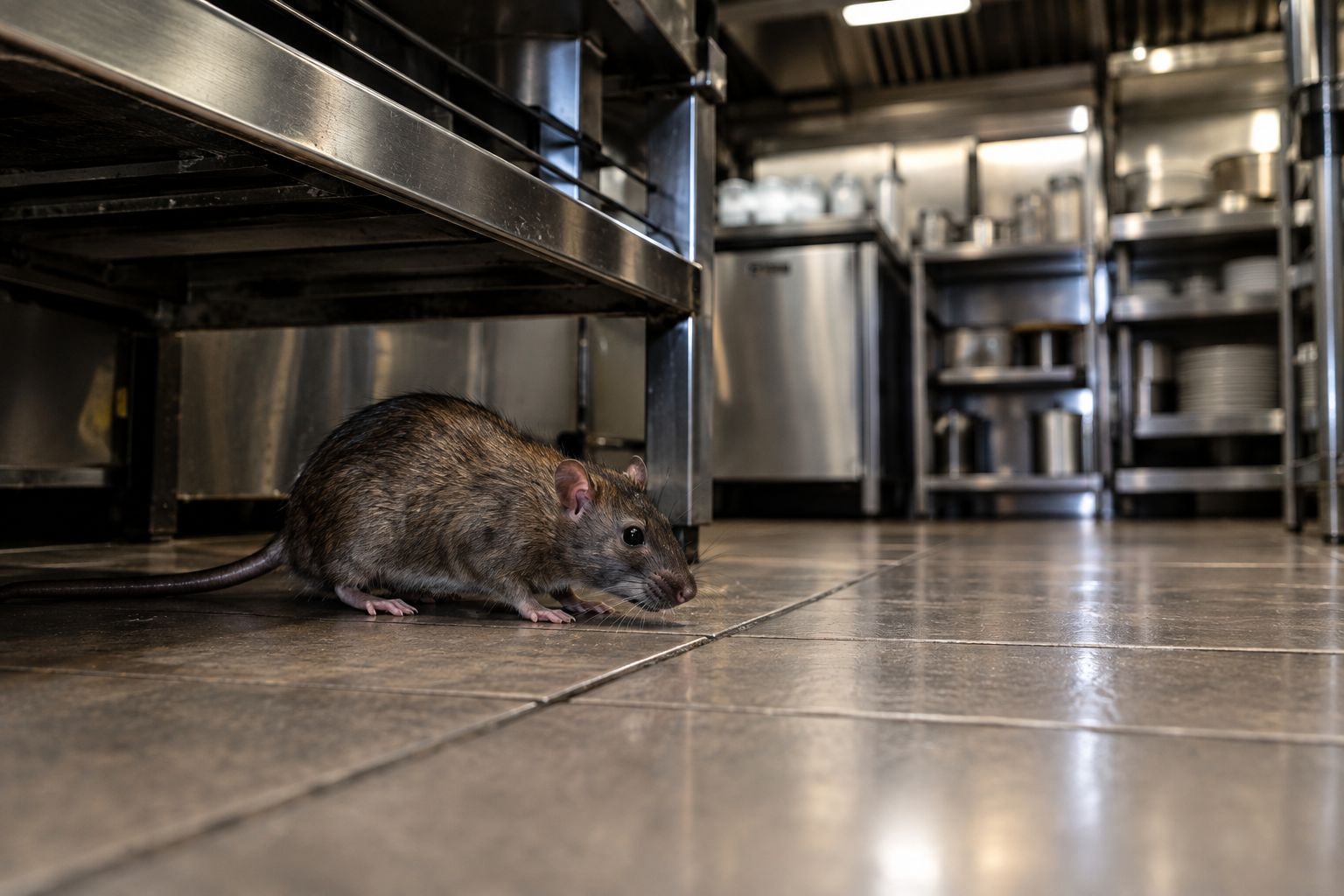
A commercial rodent problem is not a bigger version of a residential one.
Different environment, different populations, different consequences — which is why generalist rounds keep failing.
Rodents create business risk on six fronts.
The callout fee is rarely the real cost. Exposure sits across compliance, assets, brand and trading days.
Food safety and audits
HACCP requires documented pest management. One sighting at audit can trigger re-inspection or suspension.
Structural and equipment risk
Rats gnaw cabling, refrigeration lines and plumbing — damaged wiring is a documented fire hazard.
Contamination and disease
Droppings and urine contaminate surfaces and packaging, and carry Salmonella and Leptospira.
Reputation
One customer photo can outrank years of marketing. Reputation is often the biggest cost.
Operational continuity
Activity in service areas can force closure, stock disposal and re-cleaning — measured in trading days.
Tenancy and neighbours
Shared walls, risers and waste areas mean a rodent problem rarely stops at one tenancy.
General pest control is not built around rodents.
It works for insects. It's the wrong tool for a persistent, audit-sensitive rodent problem.
- 01
Rodents are one item on a long list
One visit covers roaches, ants, flies and rodents — rodents rarely get a dedicated inspection.
- 02
Default to rodenticide bait stations
Bait is fast to invoice. It also causes rodents dying in voids, secondary poisoning risk and populations that learn to avoid bait.
- 03
Consumption is counted, not catches
Reports show grams of bait taken — not population size or whether the problem is resolving.
- 04
Entry points are rarely addressed
Removing rodents without closing entry points produces a repeating contract, not a fix.
Commercial rodent management is a full discipline. It's all we do.
Commercial rodent problems compound quickly.
A single sighting is rarely a single rodent. Early intervention is cheaper, quieter and easier to document than a response after an audit finding.
Operational disruption
Rodent activity in prep or storage areas can force partial closure, stock disposal and deep cleaning — measured in trading days, not callout fees.
Contamination risk
Droppings, urine and hair contaminate surfaces, packaging and dry goods. Contamination costs escalate the longer activity continues undetected.
Compliance exposure
Food safety frameworks require documented pest management. A sighting at audit without records is a corrective action; with records, it's a managed finding.
Reputation
One customer sighting can become a review or social post. Early intervention keeps the issue inside your operation rather than in public view.
What Ratman does
Focused rat-control services for commercial premises. Rodents are the focus, with mice handled as a separate targeted service.
Mechanical Trapping
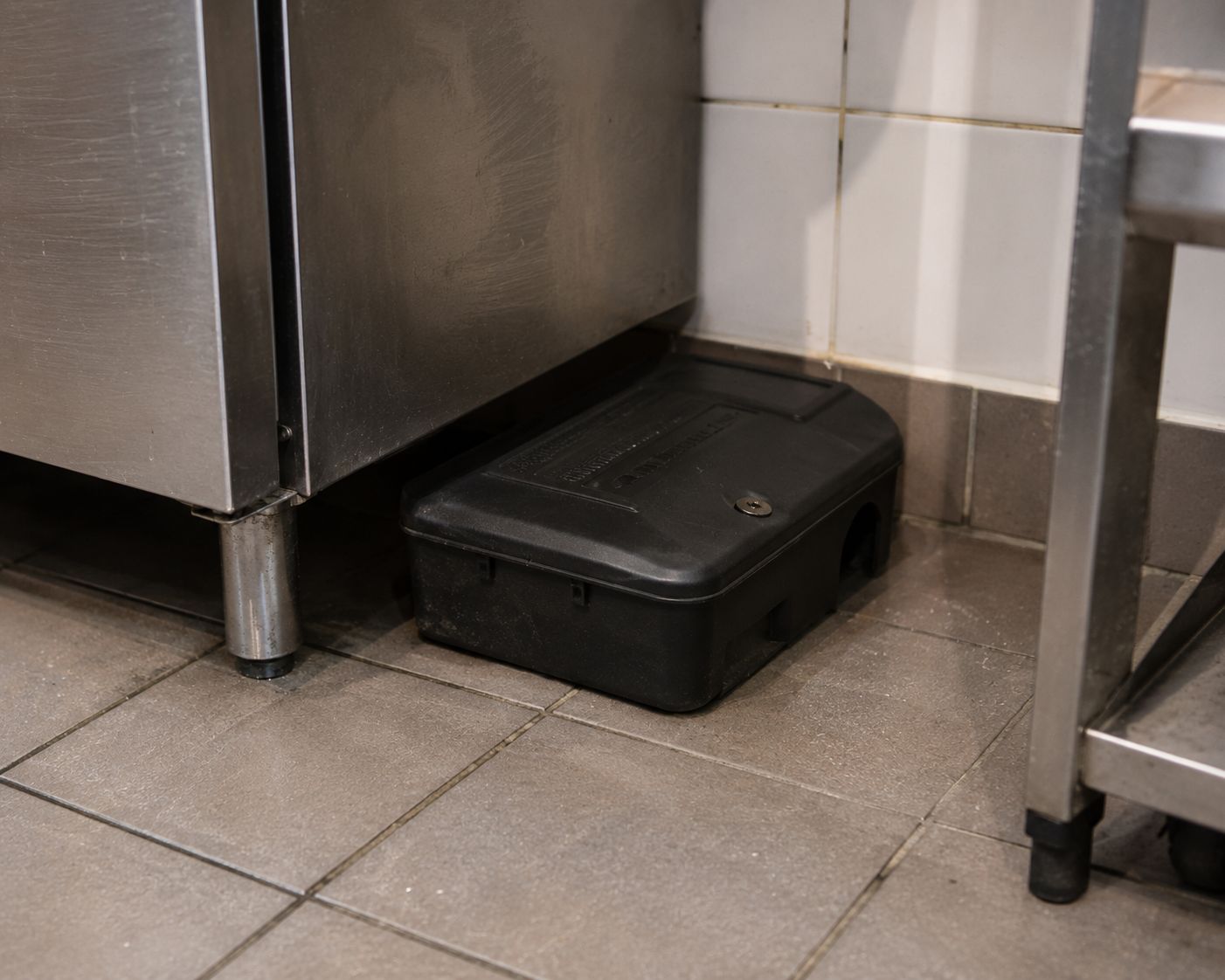
Snap traps and multi-catch stations on activity routes — no baits.
Trap Servicing
Scheduled checks and resets so traps stay effective between visits.
Dead Rodent Removal
Prompt removal to protect food safety and staff.
Rodent Monitoring
Ongoing tracking with logs suitable for food safety audits.
Compliance Reporting
Written findings and activity logs you can hold on file for food safety audits.
Same-Day Appointments
Fast turnaround when a sighting needs attention before your next service.
Why mechanical trapping
Commercial venues need programs that survive audits and avoid secondary risks. Rodenticide baits do neither well.
Mechanical trapping
- Kills confirmed and recovered — no rodents dying in walls
- No rodenticide residue near food, prep or stock
- Clear activity logs for audits and QA records
- No secondary poisoning risk to pets or wildlife
- Effective on populations that have learned to avoid bait
Rodenticide-only programs
- Rodents die in inaccessible voids — odour and flies
- Bait residue risk near food
- Counts bait consumption, not catches
- Ongoing secondary poisoning risk
- Doesn't fix the entry points
For food-handling premises, mechanical trapping with monitoring and proofing is the defensible program.
Built for commercial premises
For venues where a rodent sighting is a business problem, not just a nuisance.
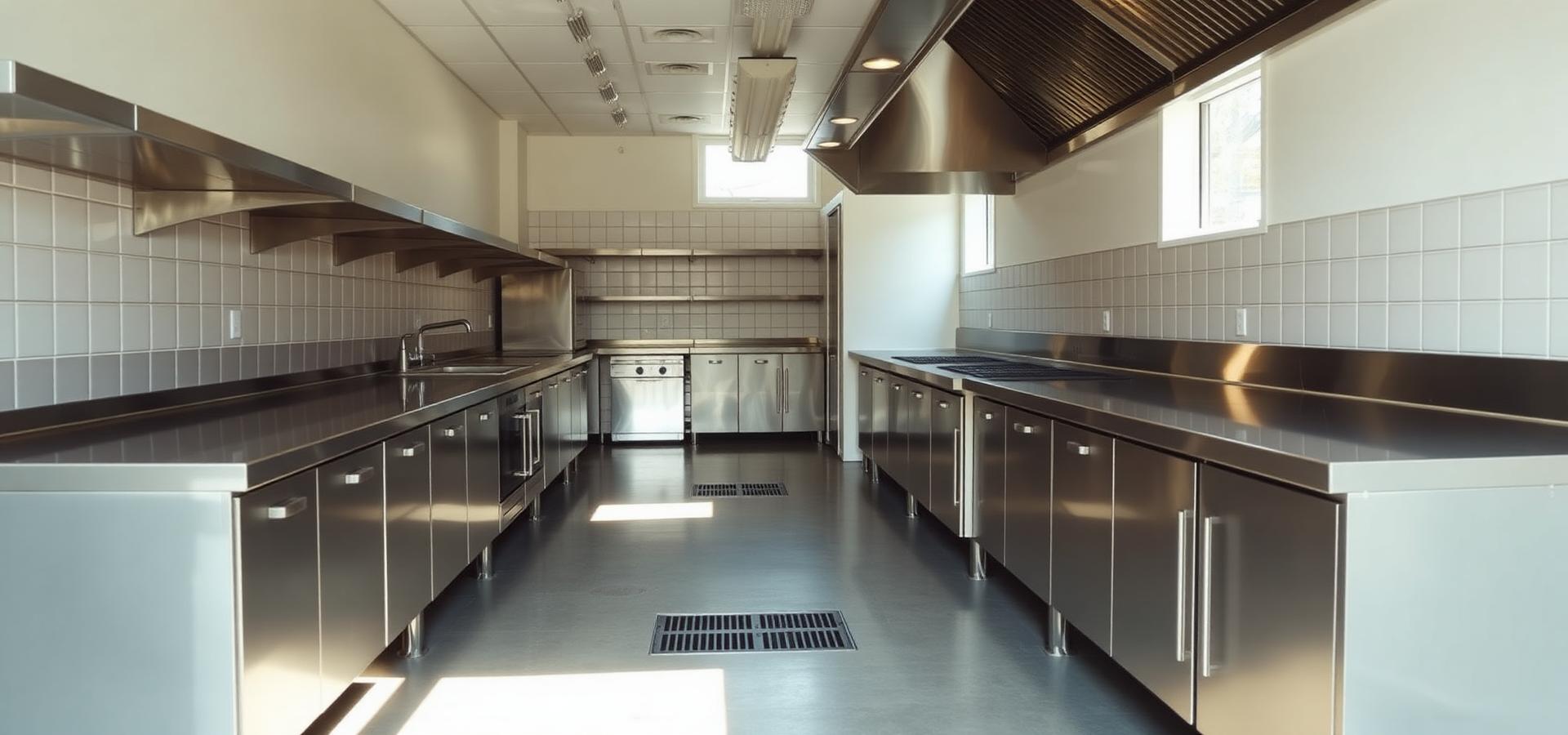
Restaurants
Discreet monitoring for front and back of house.
Cafés
Small-venue programs that fit tight kitchens.
Pubs & bars
Late-hour attendance around cellars, bins and beer gardens.
Commercial kitchens
Audit-ready trapping for high-throughput sites.
Food manufacturers
Programs designed around HACCP-style controls.
Warehouses
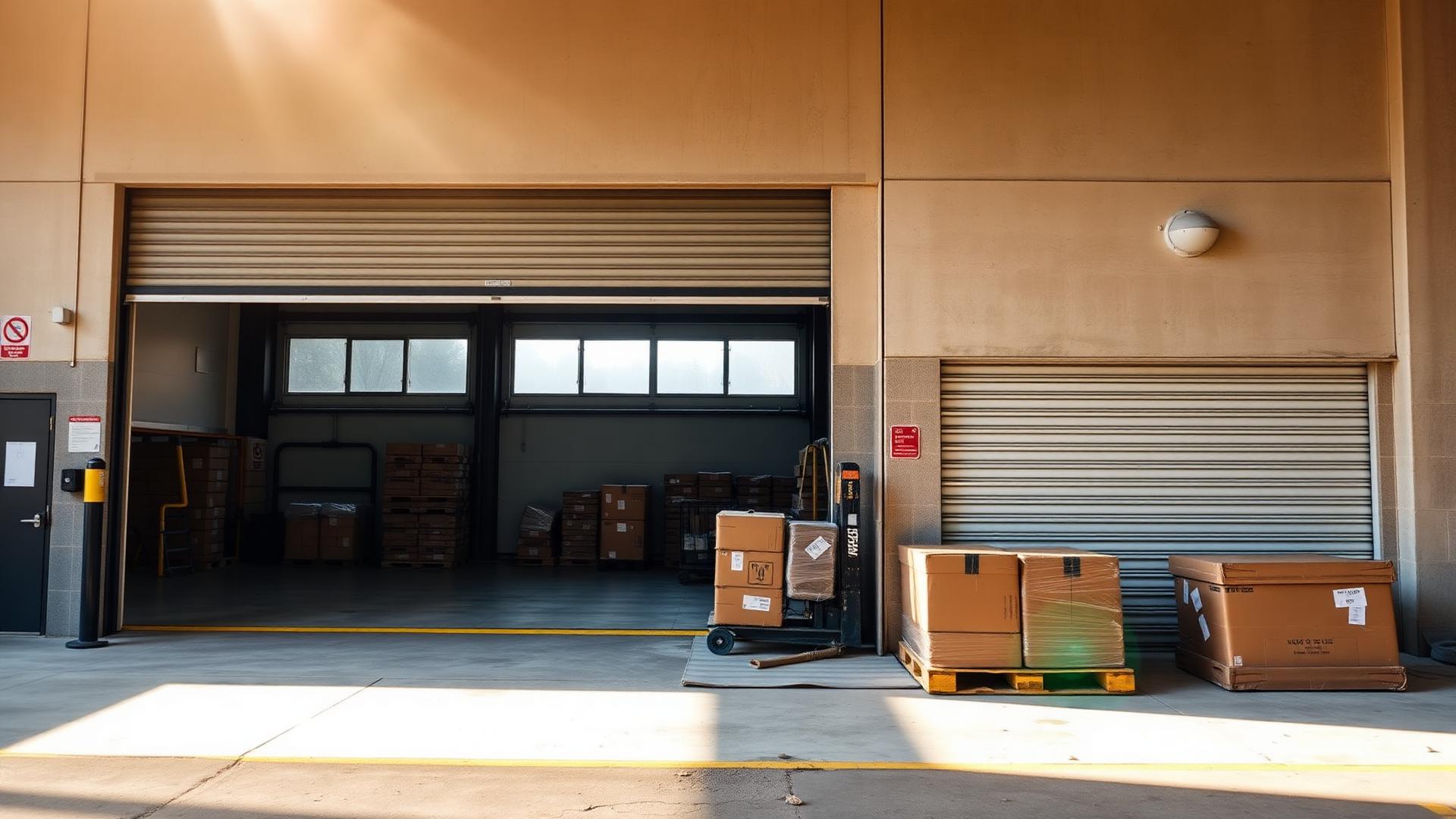
Dock, pallet and rack-aware monitoring at scale.
Commercial buildings
Base building and tenancy programs across mixed-use sites.
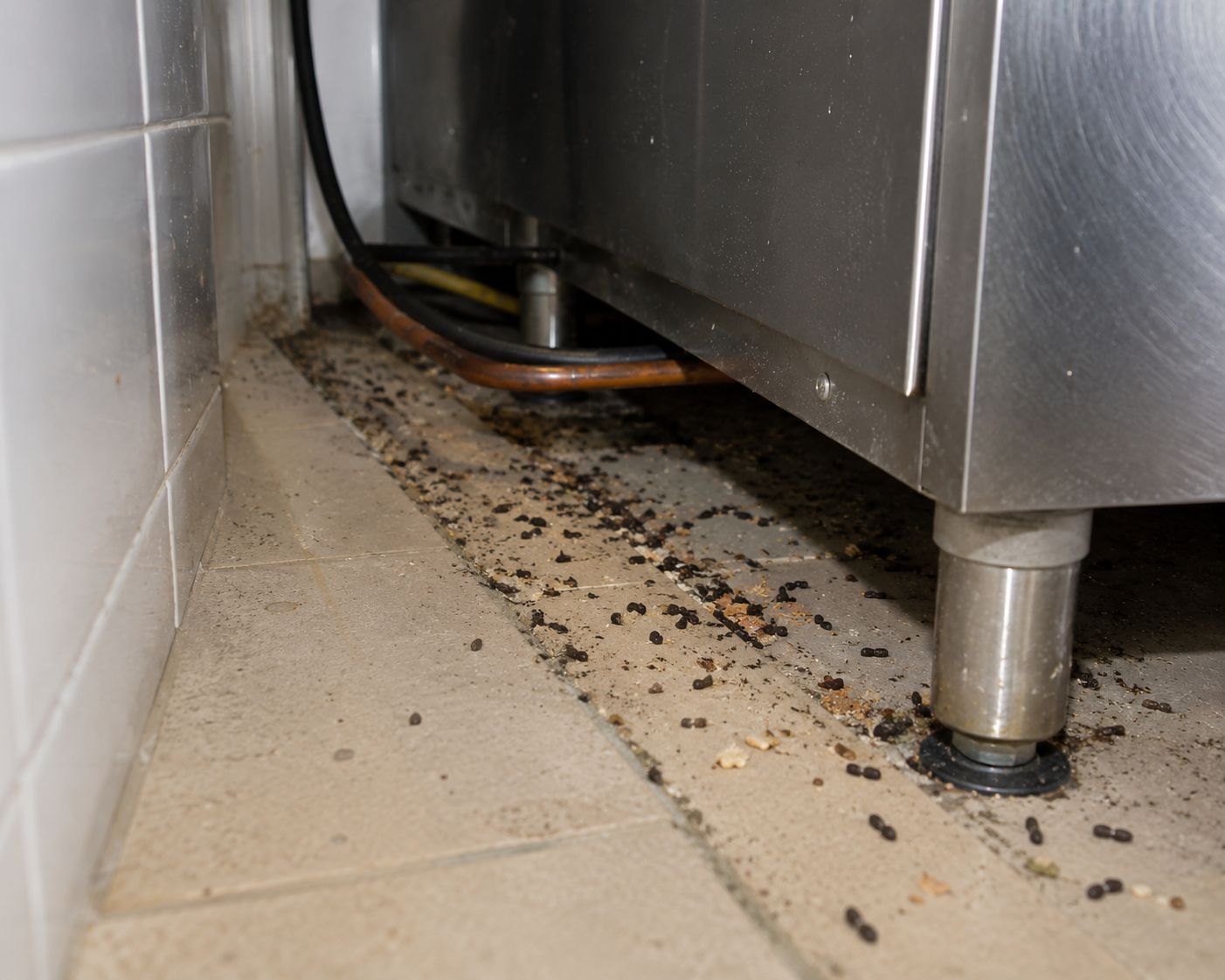
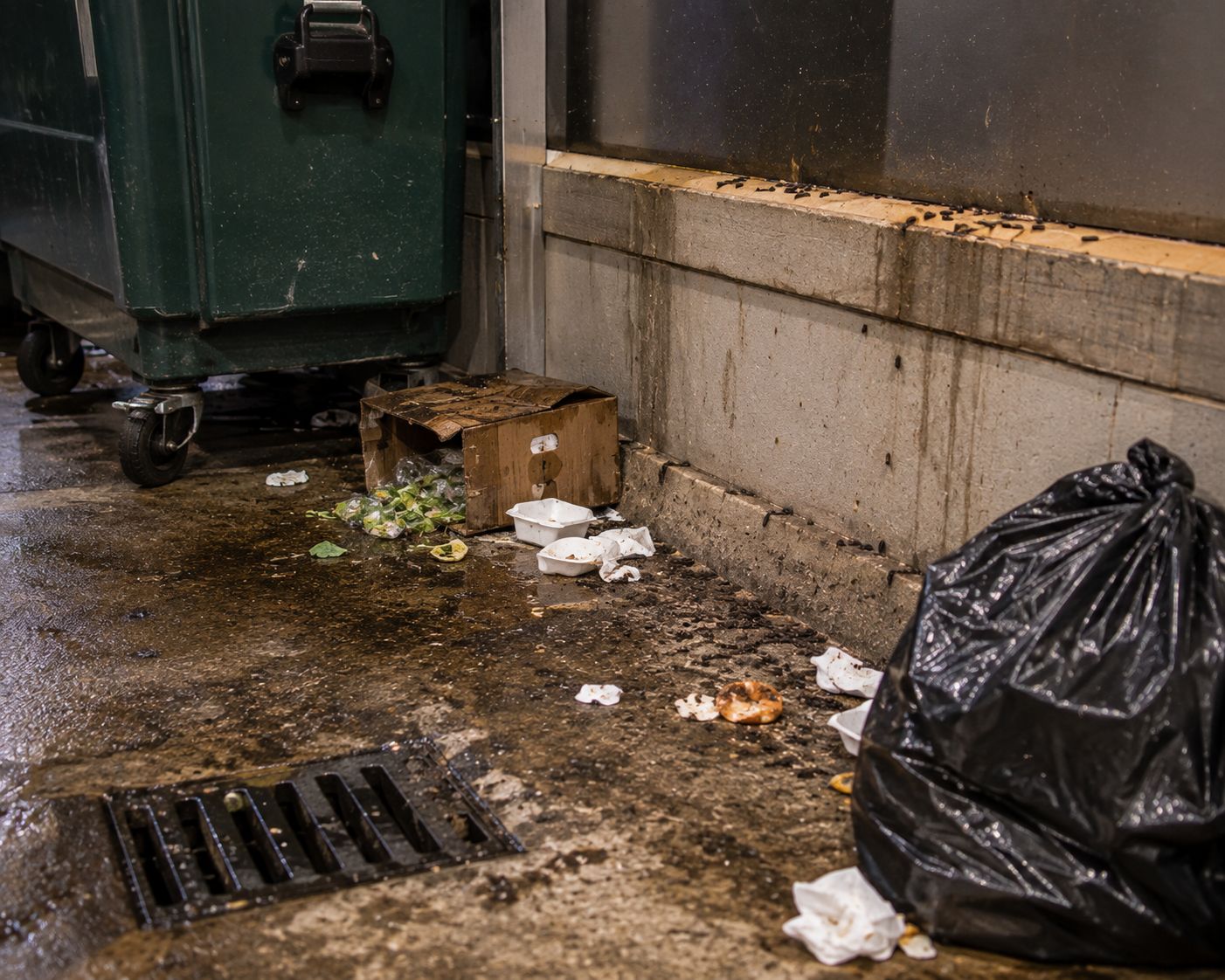
Signs of rodent activity in a commercial venue
Common indicators in food and warehouse venues. Any one is enough to justify a professional inspection.
Noises after close
Scratching or scurrying in ceilings and voids after trade signals nocturnal activity.
Droppings
Rice-shaped pellets along walls or near food storage mark active travel routes.
Gnaw damage
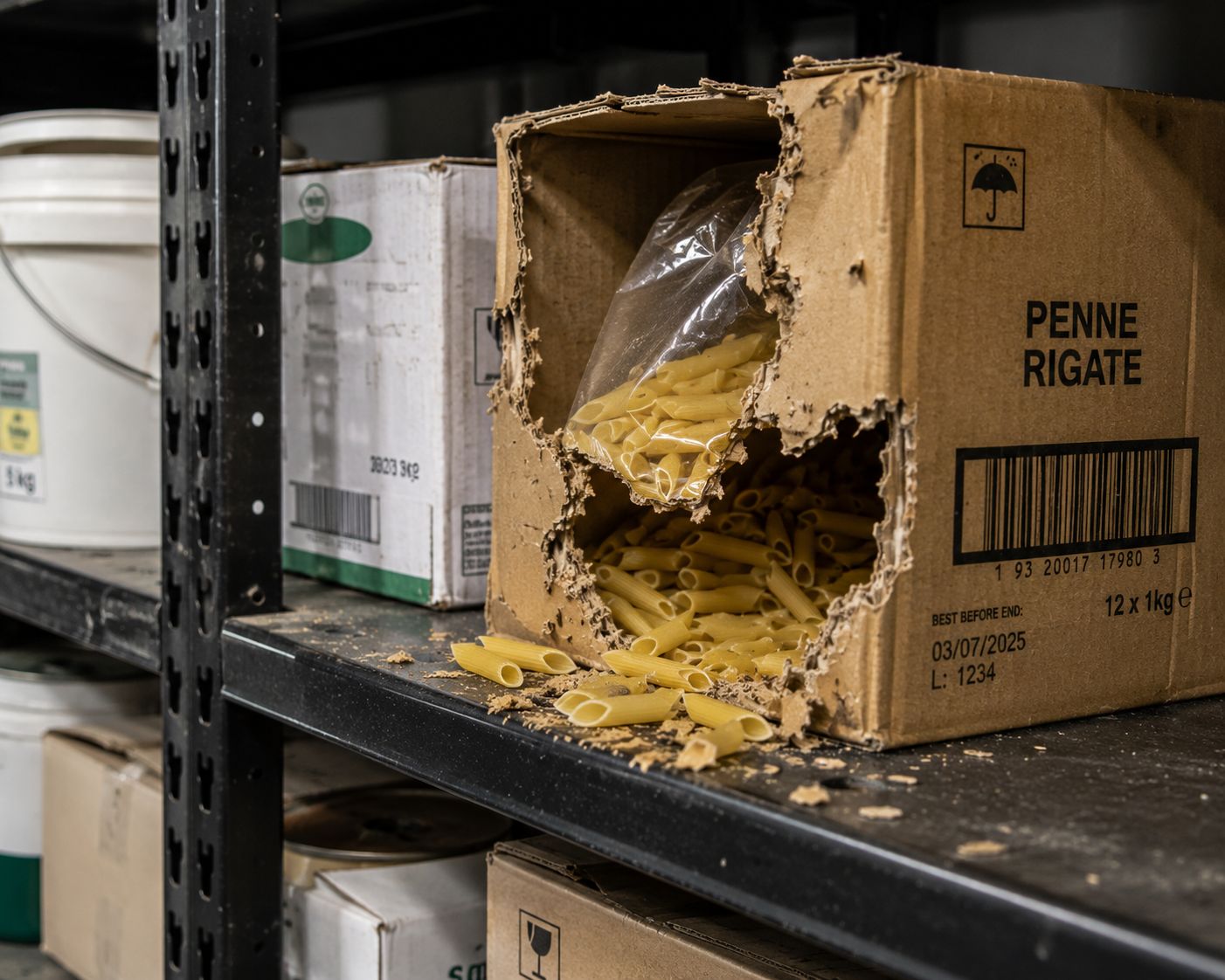
Chewed packaging, timber or cable insulation — a contamination and potential fire hazard.
Rub marks & runs
Greasy smudge lines along skirting, beams and pipes map the routes rodents use.
Damaged stock
Torn bags or spilled dry goods are often rodents, not handling damage.
Odours
Sharp ammonia smell in enclosed spaces — urine or a hidden carcass.
Daytime sightings
A rodent seen during trading hours usually means the population is well above ground.
Activity around waste or docks
Bins and delivery bays offer food and harbourage — activity here often precedes entry.
One sign isn't proof of an infestation — but in a food business, it's enough to justify a professional inspection.
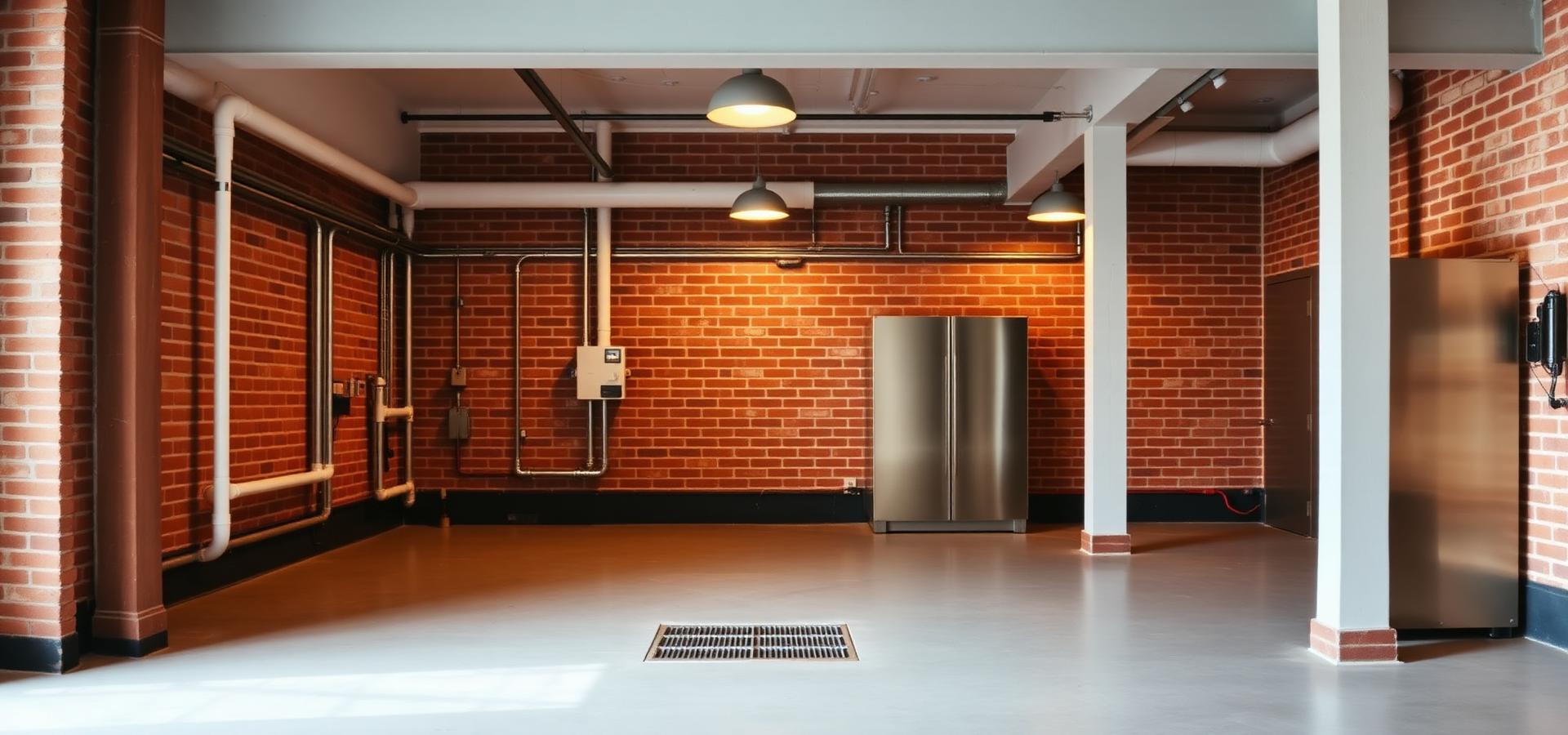
Inspect. Trap. Monitor. Report.
Evidence-based mechanical control and documented monitoring — not chemical treatment.
- 01
Inspect
Identify activity, entry points and risk factors on site.
- 02
Trap
Commercial-grade mechanical trapping on activity routes.
- 03
Monitor
Scheduled servicing with audit-ready logs.
- 04
Report
Documented findings and activity logs your venue can hold on file for food safety audits.
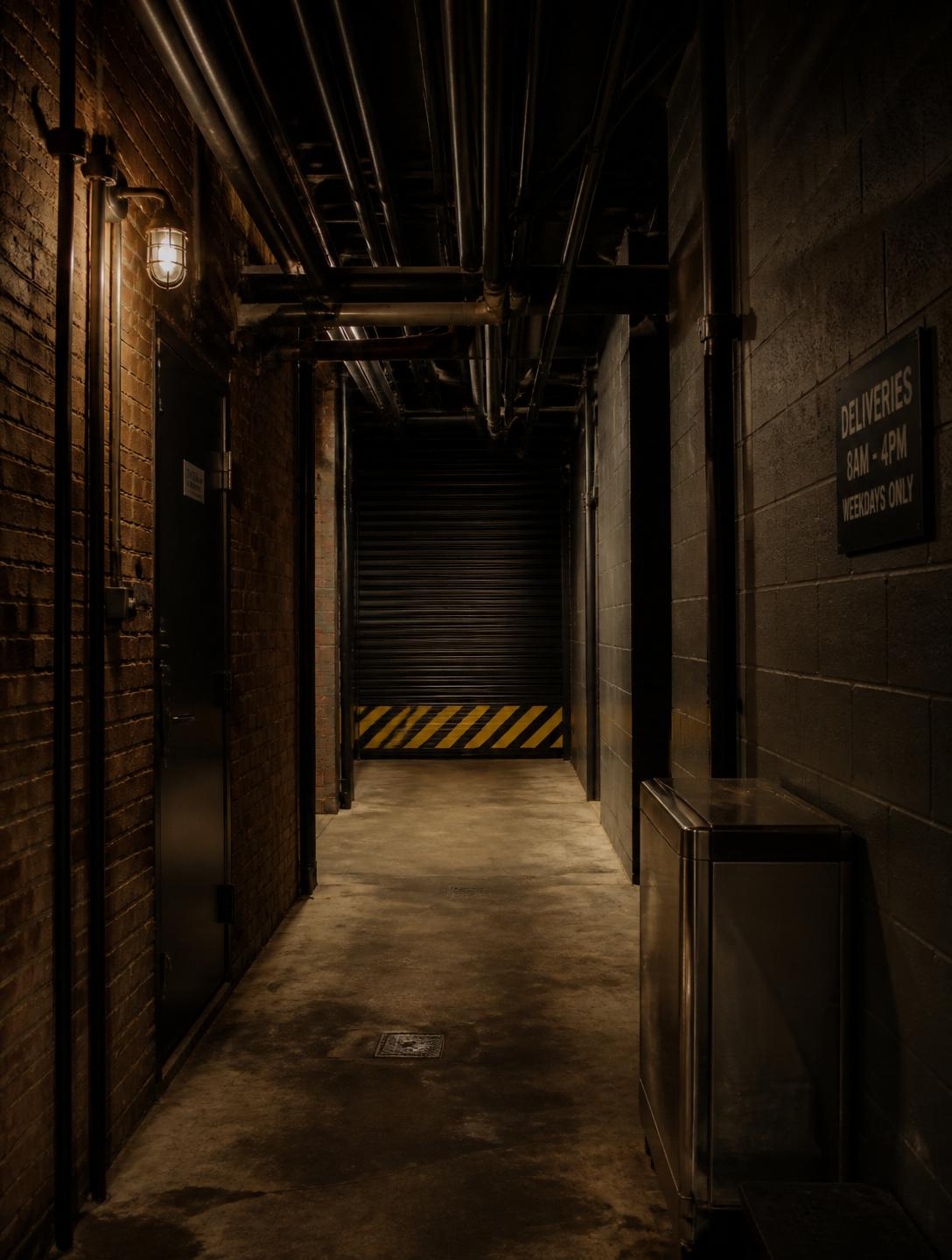
Many restaurants, cafés, takeaways, bars and commercial premises prefer pest control to remain as discreet as possible. Every Ratman visit is made in an unmarked vehicle — no signage on the street, no signage at the loading dock.
Sydney service areas
Ratman services commercial venues across Sydney CBD, the North Shore and the Inner West.
Sydney CBD & surrounds
- Sydney CBD
- Sydney
- Haymarket
- Pyrmont
- Ultimo
- Barangaroo
- Darling Harbour
North Shore
- North Sydney
- Chatswood
- St Leonards
- Crows Nest
- Artarmon
- Lane Cove
- Neutral Bay
- Milsons Point
- Cammeray
Inner West
- Newtown
- Enmore
- Marrickville
- Camperdown
- Leichhardt
- Annandale
- Petersham
- Stanmore
- Rozelle
- Balmain
- Summer Hill
- Ashfield
- Dulwich Hill
- Haberfield
- Burwood
A sighting today is a written finding tomorrow.
Rodent activity in a commercial venue rarely resolves on its own. A commercial inspection turns uncertainty into a documented plan — what's active, where it's entering, and what needs to close.

Same-day commercial emergency rat and rodent response during operating hours.
Same-day rat and rodent response during operating hours, 7am–6pm — not a 24/7 service. Tell us the venue and we'll get you booked in.